
For Australian homeowners, choosing aluminum windows is not just about appearance. It is about heat, glare, condensation, wind, rain, bushfire exposure in some areas, coastal corrosion, energy bills, and compliance. A window that works well in Melbourne may be the wrong choice for Cairns. A low-cost non-thermal sliding system may look acceptable in a quote, but it can become uncomfortable, noisy, and inefficient once installed.
The strongest way to choose windows is to stop thinking about them as simple frames with glass. A window is a performance system. The profile design, wall thickness, thermal break, gasket layout, glass specification, drainage path, hardware, finish, and installation all affect the final result.
For Australian homes, that system should also be considered alongside climate zone, orientation, shading, ventilation, and the relevant standards. The National Construction Code references AS 2047 for windows and external glazed doors in buildings, and AS 1288 and AS/NZS 2208 are key standards for glass selection, installation, and safety glazing.
Why Australian Homeowners Need a More Technical Buying Approach
Australia has eight climate zones under the NCC framework, and official passive design guidance stresses that glazing and frame choices should respond to local climate, orientation, shading, and ventilation. In other words, there is no single “best aluminum window” for every home in Australia.
This matters because windows are one of the weakest thermal points in the building envelope. Your Home notes that thermally broken aluminum frames are among the highest-performing frame options and are suitable for almost any climate, while double or triple glazing can greatly reduce heat flow and condensation risk when paired with well-sealed frames.
Australian homeowners should also review official guidance from AGWA, NCC, before they choose the right aluminum windows for your house in Australia when comparing aluminum window systems, glazing performance, and compliance requirements.
That is why experienced buyers compare:
The Things That Actually Matter
Profile type
Thermal break or non-thermal construction
Glass performance
Air and water tightness
Wind rating and structural capacity
Orientation and shading
Compliance documentation
Installation quality
Understanding Aluminum Profile Types
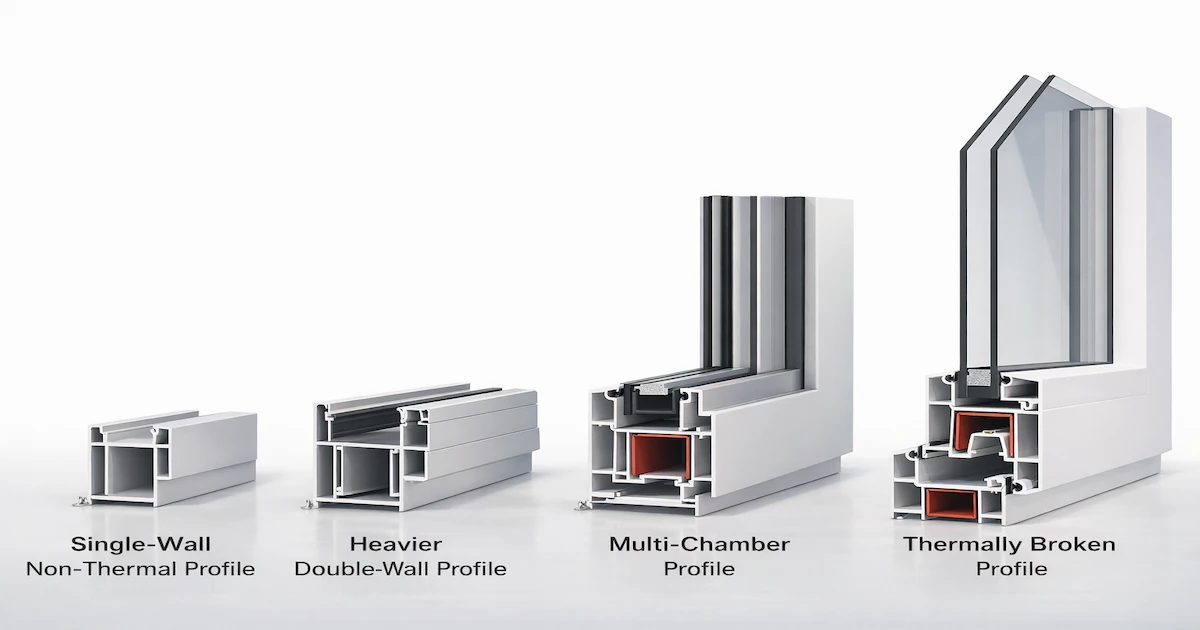
Most homeowners hear terms like single wall, double wall, standard profile, heavy-duty, thermal break, or multi-chamber. These are useful starting points, but they are not enough on their own. You need to see the profile section drawing and understand what is happening inside it.
Single-Wall Aluminum Profiles
A single-wall profile usually refers to a simpler, lower-cost non-thermal aluminum frame. It has fewer internal chambers and no real insulating barrier between the inside-facing and outside-facing metal.
Pros of Single-Wall Profiles
Single-wall systems are cheaper, lighter, and easier to manufacture. They can be acceptable in mild climates, utility spaces, some budget renovations, or areas where thermal comfort is not a major concern. They may also suit non-conditioned rooms or secondary applications where price matters more than insulation.
Cons of Single-Wall Profiles
Because aluminum transfers heat easily, a basic non-thermal single-wall profile performs poorly in both hot and cold conditions compared with better systems. It can allow more unwanted heat into the home in summer and more heat loss in winter. It can also increase the risk of condensation on the inside of the frame in cooler conditions. Your Home specifically recommends low U-value glazing and thermally broken frames in climates with cooler winters or hotter summers.
For many Australian owner-occupied homes, this type of profile is too basic if comfort and energy efficiency are important.
Double-Wall or Heavier Non-Thermal Profiles
Suppliers often use the term double wall to describe a stronger non-thermal system with heavier extrusion sections, more internal structure, and better rigidity than entry-level products.
Pros of Double-Wall Profiles
These profiles are usually stronger than basic single-wall systems. They can carry larger panes more confidently, give better hardware fixing strength, and perform better structurally in larger window sizes. In windy locations, that added rigidity can matter.
Cons of Double-Wall Profiles
A heavier profile is not the same as a thermally efficient profile. If there is no real thermal break, the frame still conducts heat and cold. That means a stronger non-thermal frame can still be thermally weak. Many homeowners make this mistake by assuming “heavier” automatically means “better.” Structurally, maybe. Thermally, not necessarily.
Multi-Chamber Aluminum Profiles
A multi-chamber profile has several internal cavities designed to improve structure, drainage, sealing, and sometimes thermal performance. Multi-chamber designs are common in better residential window systems.
Pros of Multi-Chamber Profiles
A more advanced chamber design can improve rigidity, support better gasket placement, create controlled drainage paths, and provide a more refined system overall. When combined with a thermal barrier, it can deliver a noticeably higher-performing residential product.
Cons of Multi-Chamber Profiles
Not every multi-chamber system is high performance. Some are well engineered, and some are only visually complicated. The value comes from how the chambers are designed and how the whole system has been tested, not from the number of cavities alone.
Thermally Broken Aluminum Profiles
A thermally broken profile uses two aluminum sections connected by a low-conductivity structural insulator. Your Home describes this as a way to break the thermal connection through the frame and reduce heat flow.
Pros of Thermally Broken Profiles
For serious residential projects in Australia, thermally broken frames are often the best long-term choice. They improve comfort, reduce heat transfer, lower condensation risk, and help the glazing system deliver better energy performance. They are especially valuable in homes with large glass areas, strong sun exposure, mechanical heating or cooling, and premium comfort expectations. Your Home says they are among the highest-performing frames available and appropriate for almost any climate.
Cons of Thermally Broken Profiles
They cost more and require better manufacturing control. Buyers should be careful with generic claims. A real thermal-break system should be supported by proper drawings, tested system data, and a supplier that understands fabrication quality, not just marketing language.
How to Choose the Right Aluminum Profile for Your Climate
Australia’s climate diversity means the frame choice should follow the location of the house.

Hot Dry and Hot Summer Climates
In hotter climates, solar heat gain is a major concern. Your Home recommends low SHGC glazing in all cases and says thermally broken frames and low U-value glazing are beneficial in regions with hotter summers.
Best frame approach
A thermally broken profile is usually the smarter residential choice, especially for large exposed windows and sliding doors. A basic non-thermal frame may look fine initially but can make rooms hotter and reduce the benefit of better glass.
Best glass approach
Look for solar-control glazing, often with Low-E coatings chosen for cooling performance. The goal is to reduce unwanted heat gain while still allowing useful daylight. Glass selection should not be based on thickness alone.
Tropical and Humid Coastal Climates
In tropical climates, homes need both heat control and airflow. Your Home recommends shading, breeze access, and high levels of openable window area such as louvre or casement-style openings.
Best frame approach
Choose a profile with good drainage, strong weather seals, and a finish suitable for humid or coastal exposure. Thermally broken frames are still beneficial in premium homes, but in tropical design the opening style, airflow strategy, and water management are just as important.
Best glass approach
Use glass that limits solar gain without making interiors too dark. In many tropical homes, external shading and orientation are just as important as the glass specification.
Temperate and Mixed Climates
In warm temperate and mild temperate climates, Your Home recommends balancing winter sun with summer shade and notes that north orientation of living spaces is desirable because it is easier to shade in summer while allowing winter sun.
Best frame approach
A thermally broken multi-chamber frame with good seals is often the most balanced solution. It performs better year-round and is a good match for double glazing.
Best glass approach
A balanced Low-E insulated glass unit is often the most practical choice. However, north, east, and west elevations may need different shading responses.
Cold and Cooler Winter Climates
In colder climates, airtightness, heat retention, and condensation control matter more. Your Home notes that very well-sealed windows and double or triple glazing reduce heat loss and condensation risk, and that window frames must reduce heat transfer from inside to outside.
Best frame approach
Thermally broken frames should be treated as the serious baseline for quality residential projects. Non-thermal aluminum becomes much harder to justify when homeowners want comfort and efficient heating performance.
Best glass approach
Double glazing is often the minimum sensible residential choice, with triple glazing considered for higher-performance homes or more severe conditions. Good seals are essential, because good glass cannot compensate for a leaky frame.
How to Choose the Right Glass for an Australian House
Glass should never be selected separately from the frame. The system has to work together.
Single Glazing
Single glazing is the budget option. It may be acceptable in limited cases, but it offers the weakest insulation and acoustic performance.
Double Glazing
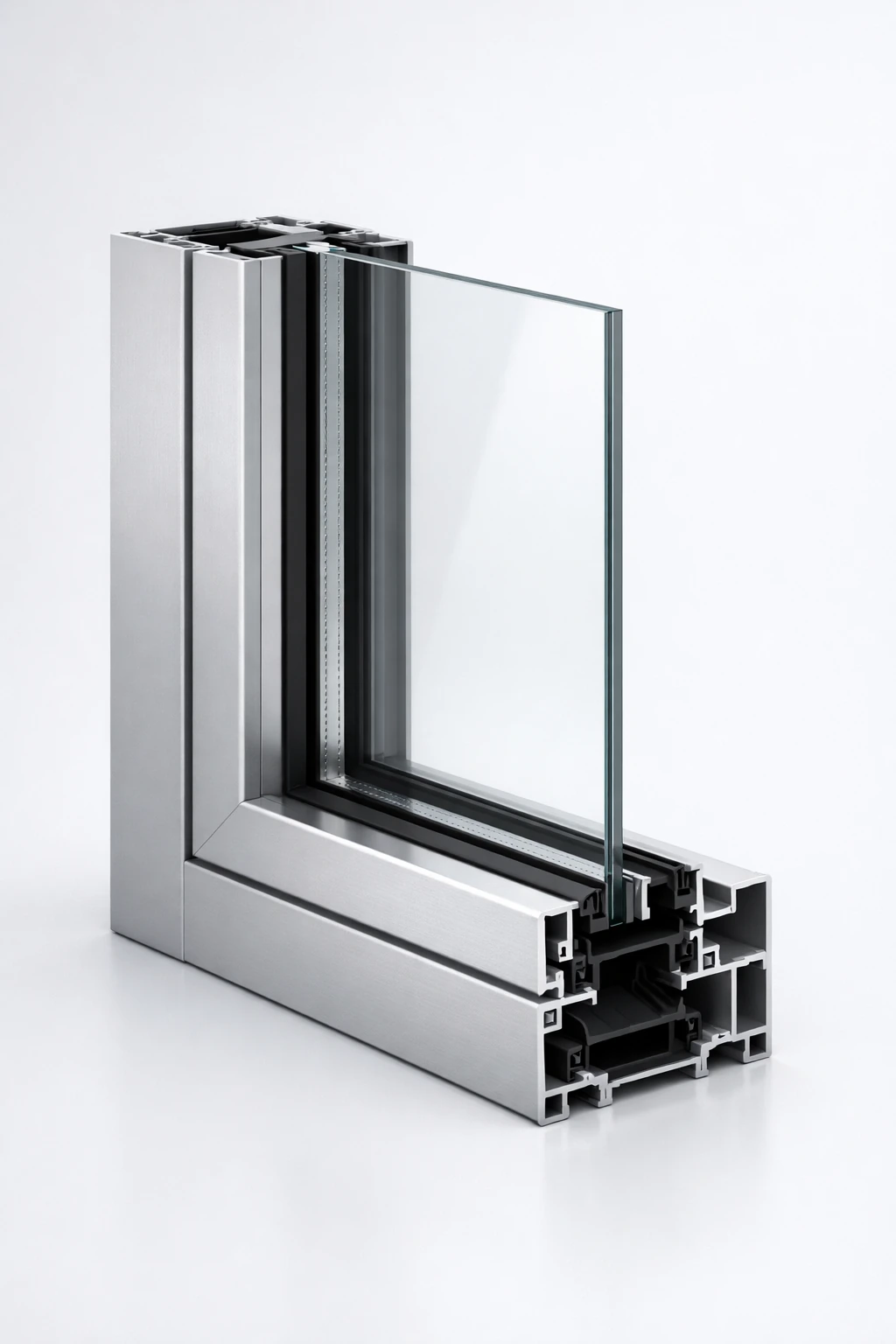
Double glazing is often the best balance for Australian homes. It improves comfort, lowers heat flow, and can reduce condensation risk when paired with a decent frame. Your Home notes that double or triple glazing can reduce heat flow significantly compared with single glazing.
Triple Glazing
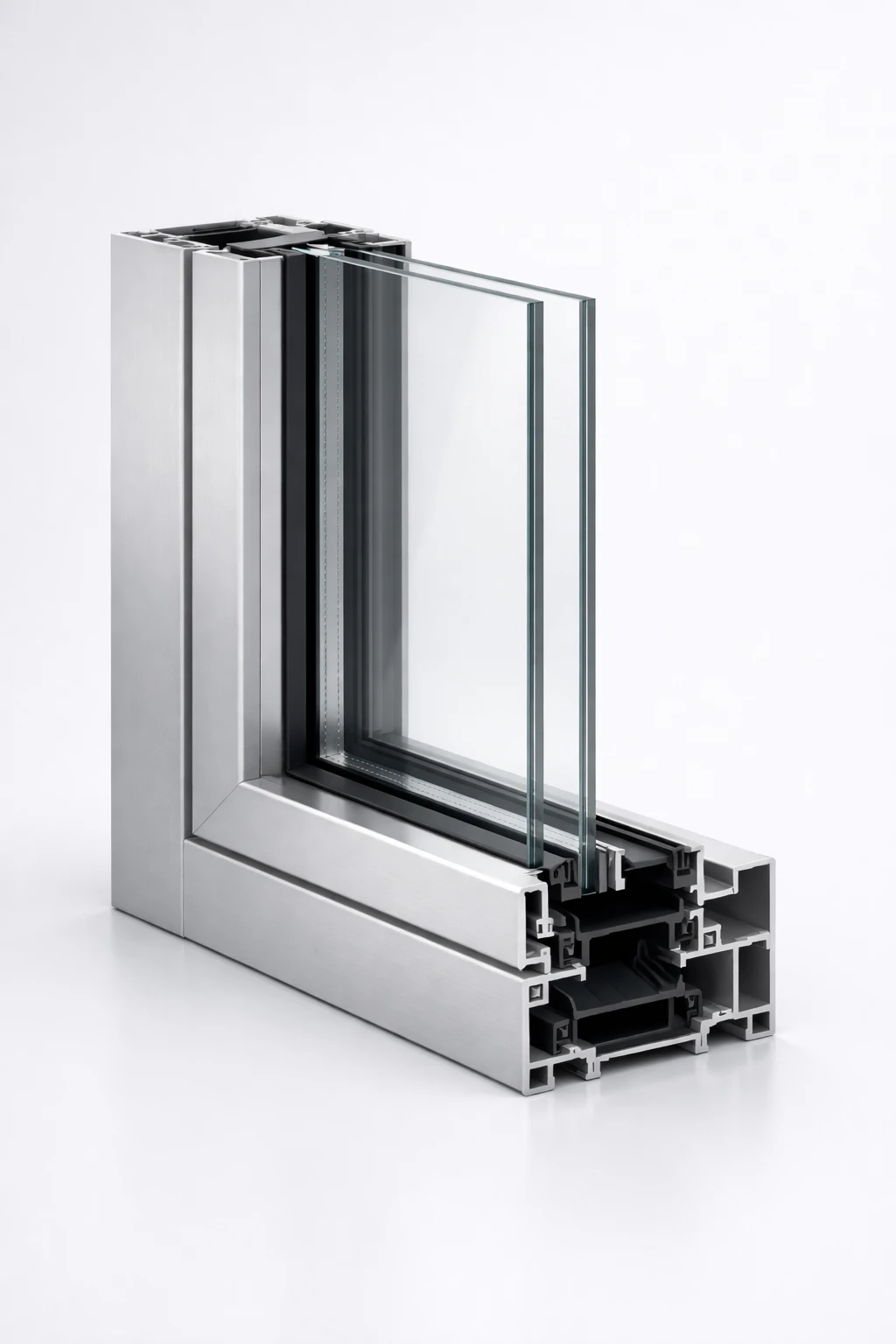
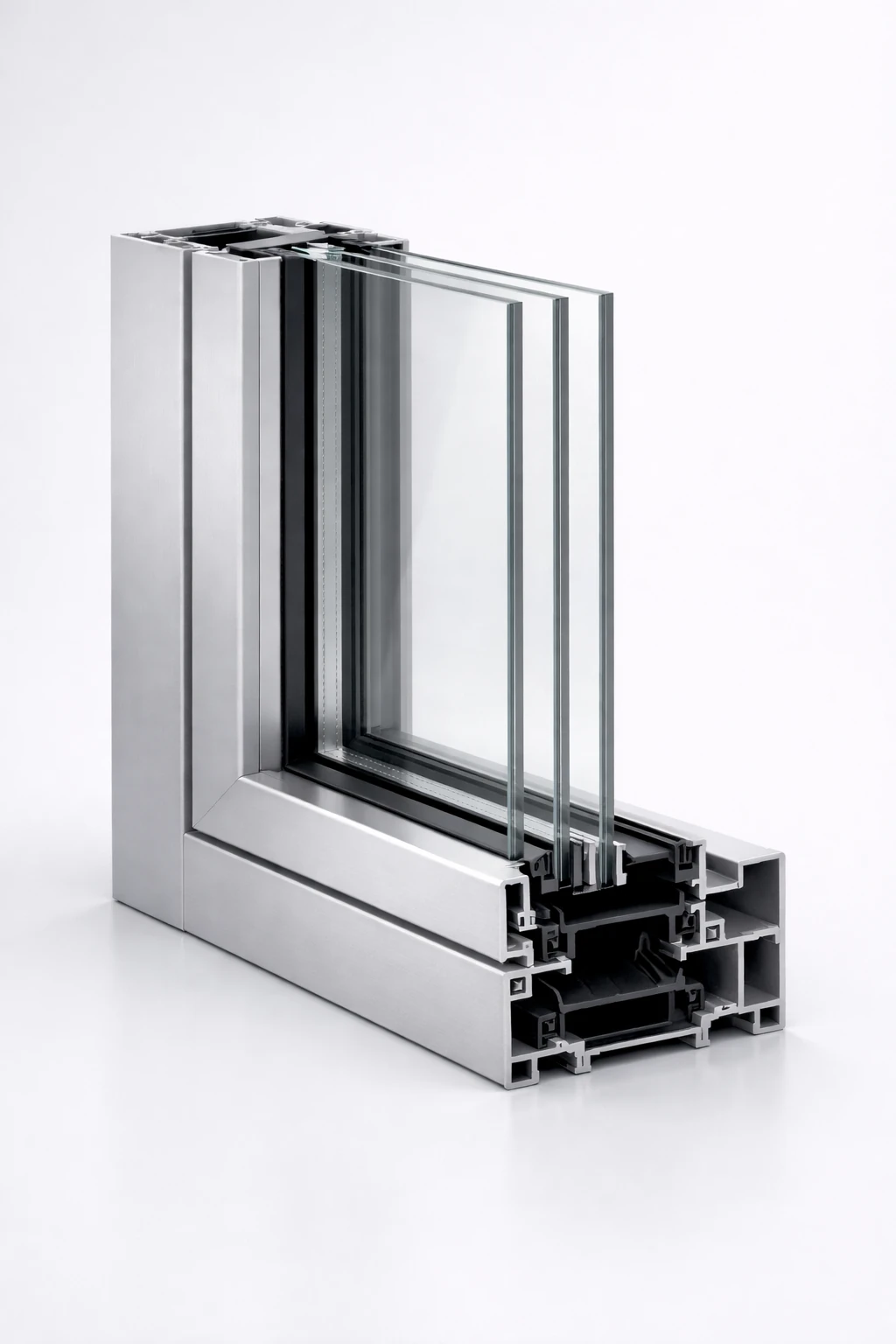
Triple glazing is usually only justified in colder climates, high-end homes, or projects targeting stronger energy performance. It adds cost and weight, so the profile and hardware must be appropriate.
Toughened and Laminated Glass
Safety, impact resistance, and compliance matter here. The NCC Housing Provisions point to glass types within the scope of AS 1288, and safety glazing materials are addressed through AS/NZS 2208.
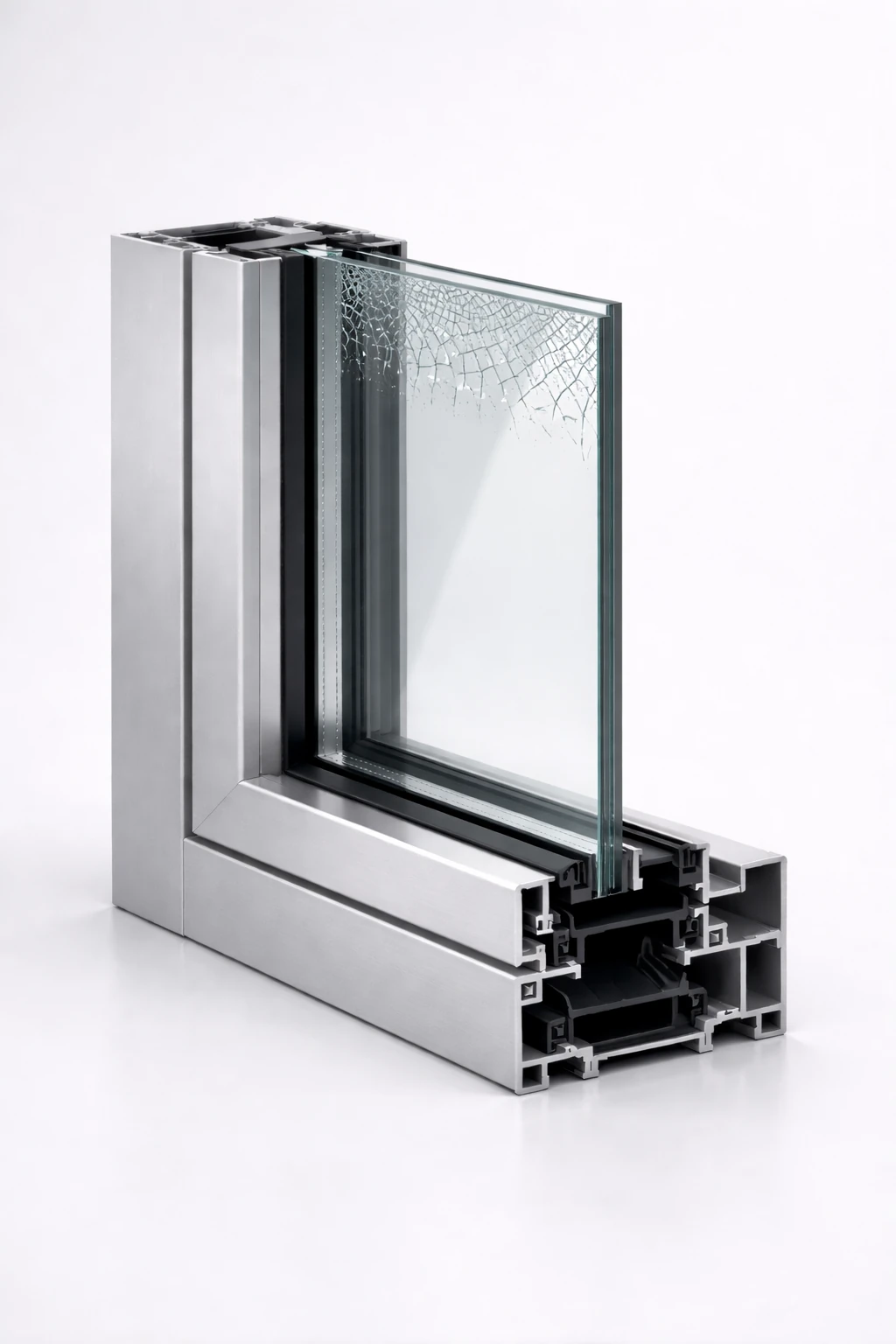
Low-E and Solar-Control Glass
This is often where a good supplier adds real value. In Australia, the correct Low-E option depends on the climate, orientation, and whether the priority is heat rejection, insulation, or balanced year-round performance. Your Home emphasizes SHGC, U-value, shading, and orientation as the real basis for glazing choice.
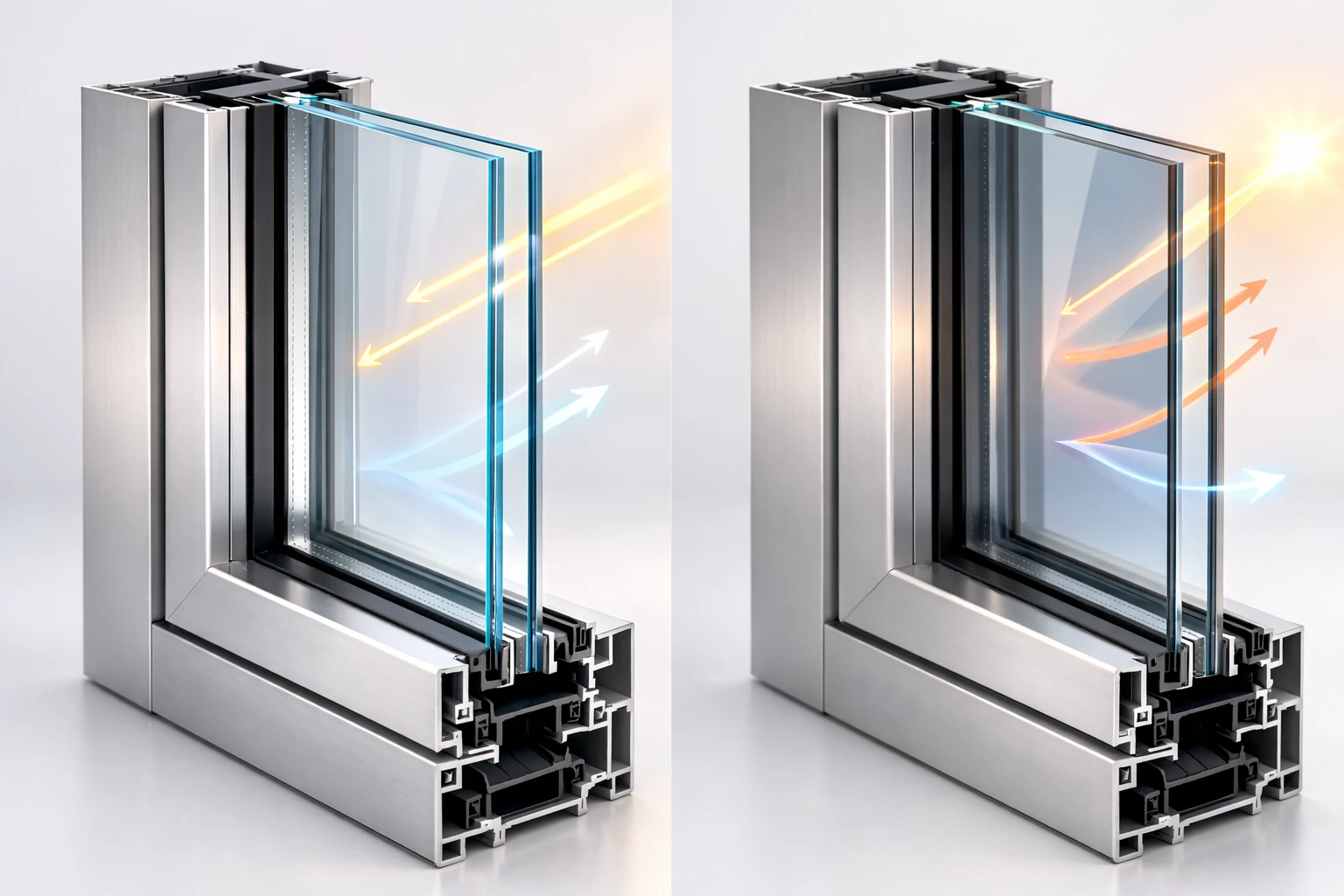
Australian Standards Homeowners Should Know
Serious suppliers and serious buyers should speak clearly about standards. In Australia, AS 2047 is the key standard for windows and external glazed doors in buildings. The Australian Glass and Window Association states that all windows and glazed doors in the external wall of a building are required to be tested to AS 2047, with limited exceptions.
AGWA also explains that under the NCC, windows designed and constructed in accordance with AS 2047 satisfy the relevant performance requirements, and for glazed assemblies not covered by AS 2047, compliance to AS 1288 is required.
AS/NZS 4420.1 is the associated test methods standard for windows and external glazed doors. AGWA notes that AS 2047 compliance involves performance criteria such as water penetration resistance, air infiltration, operating force, serviceability deflection, and ultimate strength.
For homeowners, this means the supplier should not just say “Australian standard.” They should be able to explain:
The exact system being supplied
The tested configuration
The glass specification
The wind and water performance basis
Whether the product is suitable for the project location and opening sizes
What to Ask a Supplier Before You Buy
Experienced buyers ask better questions.
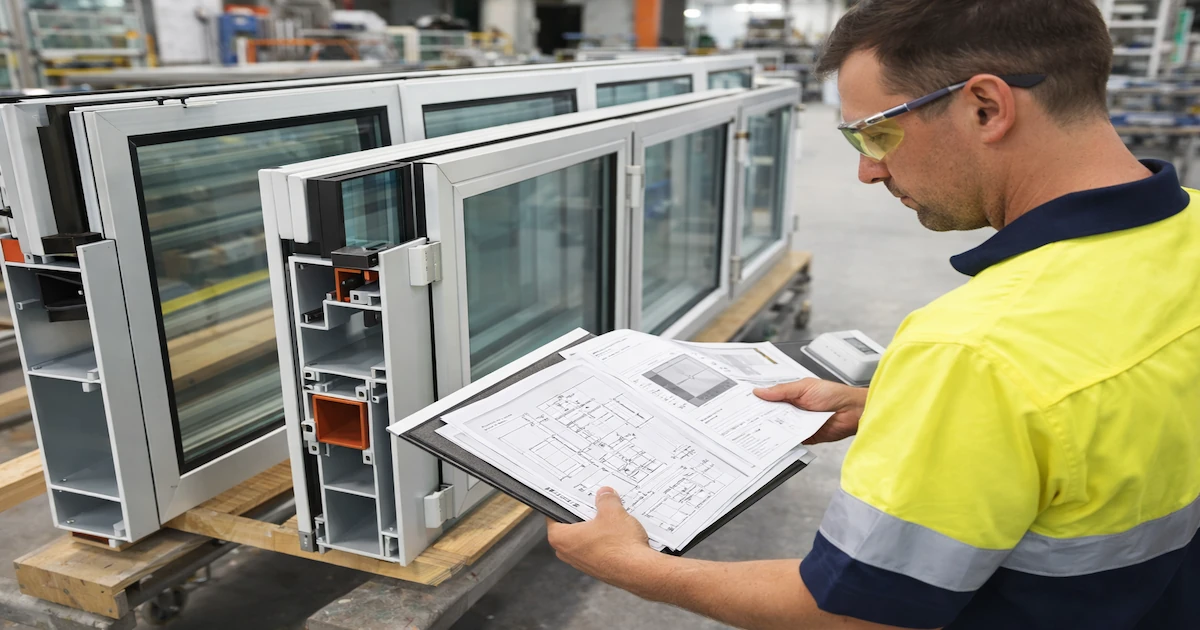
Ask for a profile section drawing
This helps you see whether the frame is single-wall, heavier non-thermal, multi-chamber, or genuinely thermally broken.
Ask whether the quoted system is non-thermal or thermal break
Do not rely on vague terms like premium or heavy-duty.
Ask for the glazing make-up
You need to know whether the quote includes single glazing, double glazing, laminated glass, toughened glass, Low-E glass, or a solar-control unit.
Ask for test reports or compliance evidence
For Australia-bound projects, the supplier should be able to discuss AS 2047-related compliance expectations and provide documentation for the quoted system where applicable.
Ask about finish suitability
Coastal and high-humidity areas demand stronger attention to finish durability and corrosion resistance.
Ask about drainage and sealing
A window must manage water, not just block it.
Ask about installation details
Even a good window can fail if the installation is poor. AGWA’s installation guidance makes clear that compliance and installation go together in practice.
Common Mistakes Australian Homeowners Make
Choosing the cheapest visible frame
The inside engineering may be much weaker than the quote suggests.
Assuming all aluminum is the same
There is a huge difference between an entry-level non-thermal frame and a tested thermally broken residential system.
Choosing glass by thickness only
The right glass depends on climate, safety, orientation, and comfort goals, not just millimetres.
Ignoring orientation and shading
North, east, west, and south glazing do not behave the same way in Australian conditions. Your Home specifically highlights the importance of orientation and shading strategy.
Believing generic claims about “Australian standard”
The correct question is whether the exact product configuration aligns with the relevant standard and project requirement.
How One Stop China Fits In
For Australian homeowners building custom homes, renovators working with imported joinery, and builders comparing offshore suppliers, the challenge is often not just product selection. It is supplier selection, document review, production control, quality inspection, and logistics.
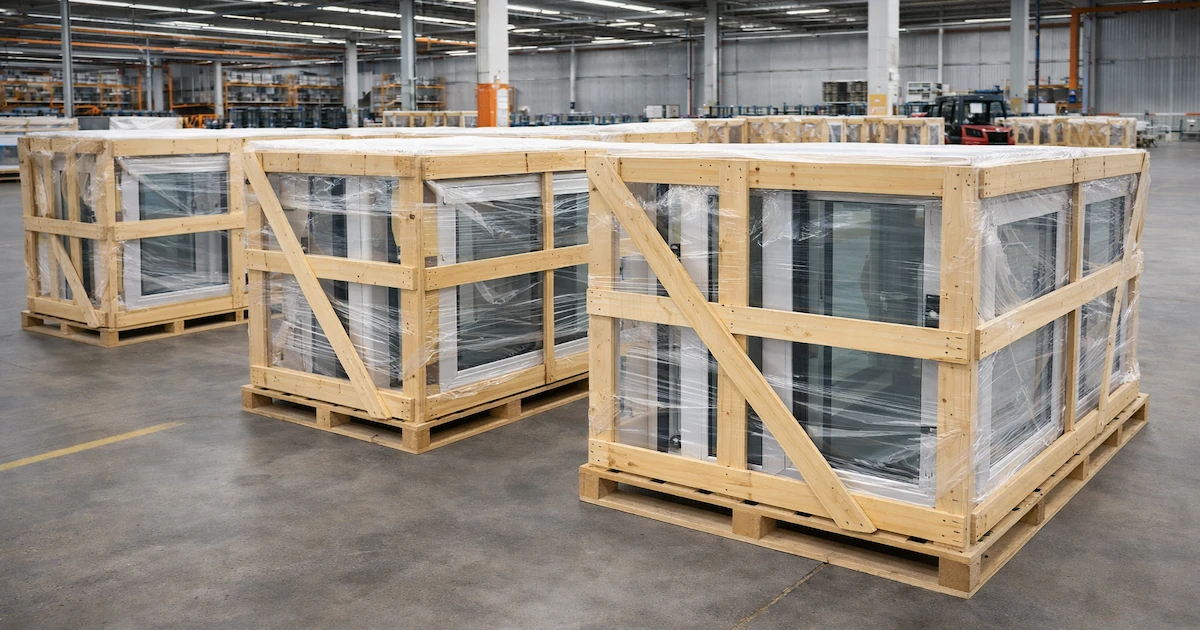
That is where a sourcing partner becomes useful. One Stop China can help buyers compare aluminum window systems properly, verify supplier capability, review technical documents, monitor production, inspect finished goods, and coordinate shipment. The important point is not to overclaim. The real value is in helping buyers source from factories that can work toward the required specification and documentation, including Australia-focused project requirements, rather than relying on vague promises.
FAQ for Australian Homeowners
Are thermally broken aluminum windows worth it in Australia?
In many cases, yes. Official Australian passive design guidance identifies thermally broken aluminum as one of the highest-performing frame options and appropriate for almost any climate. They are especially worthwhile in hotter summers, cooler winters, large glazed homes, and houses where comfort matters.
Is double glazing necessary for Australian homes?
Not always legally necessary in every situation, but often a very smart upgrade. Double glazing improves comfort, reduces heat flow, and lowers condensation risk compared with single glazing, especially when paired with a better frame.
What is more important, the frame or the glass?
Both matter, and one should not be chosen without the other. Good glass inside a poor non-thermal frame can still deliver disappointing results. A good frame with poor glass can also underperform.
Are sliding windows worse than awning or casement windows?
Not always, but in general casement and awning systems can achieve stronger sealing than many sliding systems. In tropical climates, Your Home also highlights the value of highly openable windows such as louvre or casement types for ventilation.
What standard should I ask about in Australia?
AS 2047 is the main reference point for windows and external glazed doors in buildings, with AS 1288 and AS/NZS 2208 also important for glass selection, installation, and safety glazing.
Can imported windows comply with Australian requirements?
They can be manufactured to a project specification intended to meet Australian requirements, but buyers should ask for system-specific drawings, test data, glass details, and compliance evidence for the exact product being supplied. This is where technical review and supplier verification become essential.
What is the best window choice for a coastal Australian home?
Usually a combination of corrosion-conscious finishing, strong sealing, good drainage, and a frame and hardware system suited to salt and humidity exposure. In premium homes, a thermally broken system is often the stronger long-term choice, but finish quality and hardware durability are critical.
Conclusion
The best aluminum windows for an Australian house are not chosen by style alone. They are chosen by climate, profile design, thermal performance, glass specification, orientation, and compliance.
For budget projects in mild conditions, a basic non-thermal frame may still have a place. For most serious residential projects, especially in hot, tropical, temperate, or colder parts of Australia, a thermally broken aluminum system with the right glazing is the more durable and comfortable choice.
Australian homeowners should pay attention to AS 2047, AS 1288, AS/NZS 2208, and the broader passive design guidance from Your Home. The smartest buying decision is based on tested systems, documented specifications, and a supplier who can explain exactly what is being offered.
Contact One Stop China
If you are comparing aluminum window suppliers for an Australian home, One Stop China can help you make the comparison properly. From supplier sourcing and verification to technical review, production monitoring, quality inspection, cargo consolidation, and logistics coordination, One Stop China helps buyers reduce sourcing risk and manage custom window projects with better control.